Smart Security for Modern Living
From new builds to upgrades, we create integrated systems that work quietly in the background, protecting what matters most.
Serving private homes and estates across Singapore since 2006.
In Short
What a Landed Home Security System Needs to Do
A landed home security system is usually made up of four core elements: CCTV, burglar alarm, intercom, and gate access. The objective is not simply preventing break-ins. It is giving homeowners visibility, control, and peace of mind: whether they are at home, at work, or overseas. The best systems work together as one platform rather than as separate devices installed over time.
A good home security system is not measured by the number of devices installed. It is measured by how confidently you can manage the property when you are not physically there: who entered, when, and whether anything requires your attention.
Security That Fits the Way You Live
Every home is different: in layout, lifestyle, and expectations.
Some homeowners want a fully integrated smart home. Others simply want to feel safe without adding complexity.
That is why we do not start with products. We start with how the home is used: and design a system that fits naturally into daily life.
Whether it is a new build, an upgrade, or a specific issue to fix, the goal is the same: Security that works: without getting in the way.
Choose What You Need
Different homes, different starting points. Select the path that fits your situation.

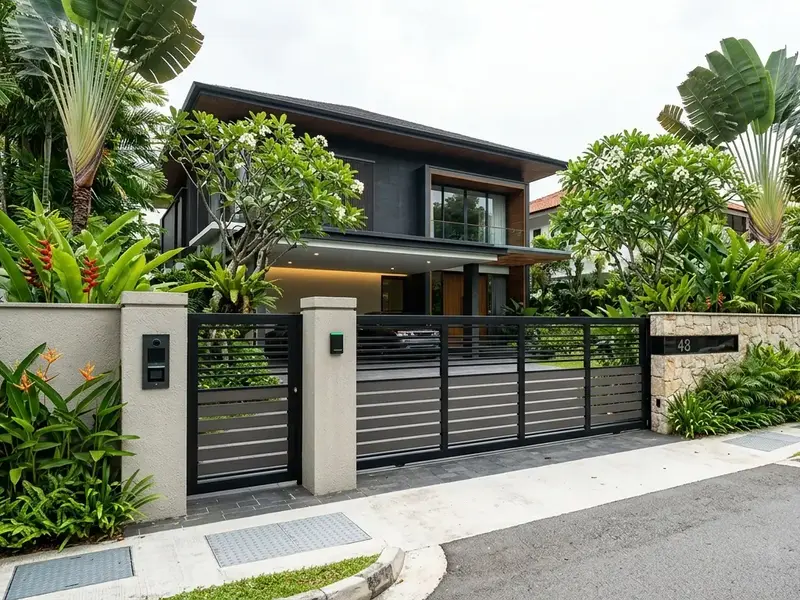
Planning a New Home or Major Upgrade
Design your security system from the ground up: properly integrated, future-ready, and aligned with your home design.
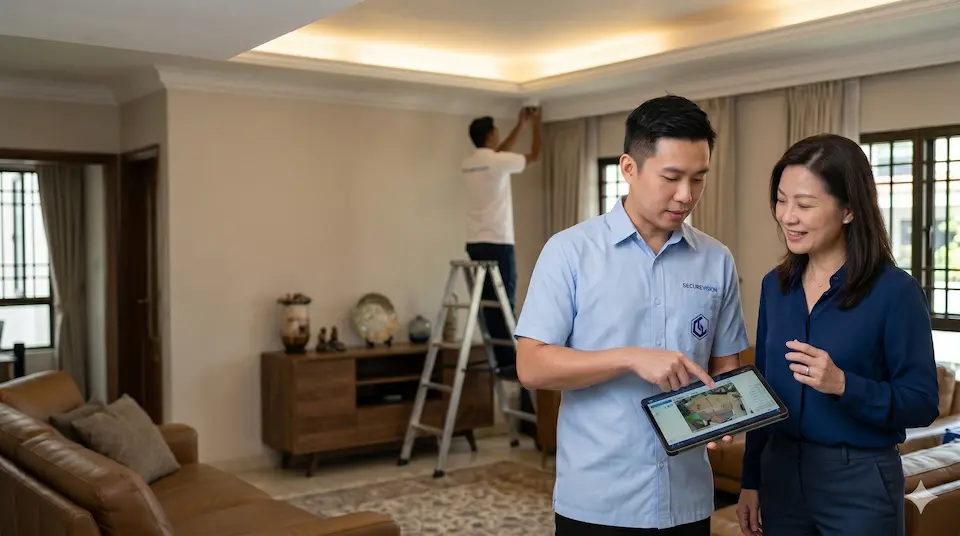
Upgrading or Fixing an Existing System
Improve what you already have without unnecessary rewiring or disruption.

Architect or Interior Designer
Integrate security into your design: cleanly, discreetly, and without compromising aesthetics.
A Complete, Integrated Home Security System
A reliable home security system is not made up of isolated devices. It is a connected system where every component works together: from access and surveillance to alerts and remote control.
Burglar Alarm
Homes with visible alarm systems are significantly less likely to be targeted: burglars work against the clock, and an alarm cuts their window dramatically. Motion sensors, door and window contacts, and a triggered siren give any intruder a reason to leave before they succeed. You and your designated contacts are notified immediately, wherever you are.
CCTV & Surveillance
Cameras at the front gate, driveway, and main entrance create a visible deterrent and document everything that happens. Modern cameras with built-in spotlights illuminate dark areas like the porch at night: most incidents around landed homes occur after dark, and lighting is often as important as the camera itself. Beyond security, CCTV lets homeowners keep an eye on helpers, young children, and elderly parents or caregivers when not physically present.
Intercom & Access Control
A video door phone lets you see, speak to, and grant access to any visitor from your phone: without going to the gate. Deliveries can be placed safely without the courier entering the property. Family, helpers, and regular contractors each get their own access credential, so the right people have access without compromising overall control.
Auto Gate Control
Sliding gates suit driveways where space in front of the gate is limited; swing gates work where there is clearance in the arc. Both types connect to the intercom system so the gate opens when a resident is verified. We recommend rolling-code remote controls: which generate a new code with every use and cannot be cloned. We still encounter older fixed-code remotes in the field that can be copied surprisingly easily.
IP Telephony
A residential phone number still matters for official correspondence, elderly family members who prefer a fixed line, and homes where not everyone uses a smartphone: and modern IP systems can carry your existing Singapore number when you switch. Within the home, IP phones enable inter-room calling and paging across floors, so every part of the house stays connected without relying on mobile phones.
WiFi & Network Infrastructure
Network infrastructure is the most underestimated part of a residential security installation: and the most disruptive to fix after the fact. Every system above runs on IP, and a single router rarely covers a three-storey home reliably. Ceiling-mounted access points per floor, fed by Cat6 cabling installed during construction, ensure cameras stream cleanly, the intercom app responds instantly, and every room has solid coverage. Most homeowners regret installing too few cables. Very few regret installing too many.
Common Mistakes We See in Residential Security Projects
After working with homeowners across Singapore for many years, several issues appear repeatedly.
Installing Systems One at a Time
Many homes end up with separate cameras, alarms, gate controls, and intercoms that do not communicate with one another: purchased from different suppliers at different times without a unified plan. The result is multiple apps on the homeowner's phone, fragmented visibility, and the frustration of systems that could work together but do not. The most expensive time to integrate disconnected systems is after each one has been installed separately.
Leaving Security Until the End of Renovation
The most cost-effective time to install or upgrade a home security system is before walls are plastered and ceilings are boarded: when conduit can be run to every camera, reader, and sensor position without visible trunking. Security planned after the renovation is complete requires surface-mounted cabling or wireless workarounds that compromise both aesthetics and reliability. If you have a renovation planned, contact us before your ID finalises the M&E schedule.
Focusing on Cameras Alone
Cameras record what happened. They do not stop someone entering. A complete security design balances detection, deterrence, and access control: the alarm deters and alerts, the cameras document, and the access control determines who can enter and when. Homeowners who invest heavily in CCTV alone often discover after an incident that the footage was useful for the police report but did nothing to prevent the event.
Underestimating Network Requirements
Many homeowners invest carefully in cameras and intercoms but overlook the network that supports them. A weak or overcrowded WiFi network eventually affects everything: camera streams drop out, the intercom app is slow to respond, and motion alerts arrive late. The network is the foundation. Planning it as part of the security installation rather than as an afterthought is almost always the more cost-effective approach.
A Practitioner Observation
The most useful question to ask before any home security project is not "how many cameras do I need?" It is "how do I enter the property, who else needs access, and what concerns me most?" A system designed around those answers will serve the household better than one designed around a product catalogue.
The Securevision Process for Landed Homes
Every landed home project starts with a site visit: not a quotation. We walk the property with you, understand how the family uses it, and identify the gaps before recommending anything. What gets installed is designed for your site, not adapted from a template.
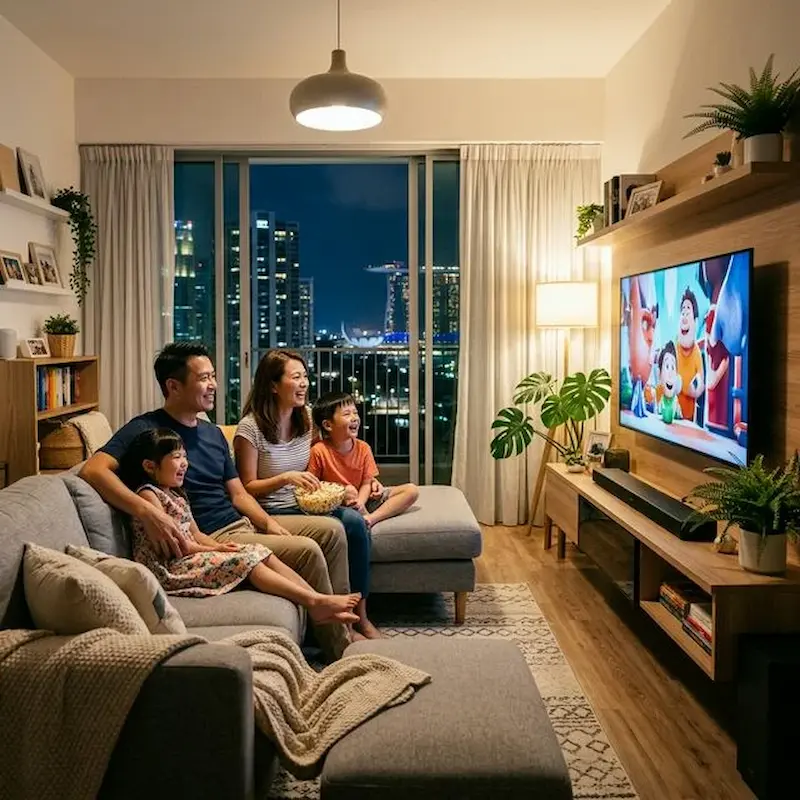
Site Assessment
We visit the property, walk every entry point and perimeter zone, and identify camera angles, blind spots, and access control positions. Nothing is specified until we have seen the site.
System Design
We produce a layout showing what goes where: cameras, intercom positions, alarm zones, gate automation, and network infrastructure. You see exactly what you are getting before work begins.
Installation & Commissioning
Our engineers install and commission every component: structured cabling, device mounting, network configuration, and system integration. Everything is tested before we leave.
Handover & Configuration
We set up the relevant apps with credentials for each family member, walk you through how to use the system, and configure alerts, access schedules, and remote access to match how your household actually operates.
Flexible Solutions to Fit Your Needs
Every home is different: and so is the level of security required.
We provide options that match your priorities, whether you are starting small or building a fully integrated system.
Our focus is simple: deliver the right solution: without overengineering or overspending.
Standard Landed
Terrace · Semi-D · Inter-Terrace
- 8-12 IP Cameras (4K)
- Video Intercom (1 Station)
- Network & Storage Hub
- Mobile App Config
Premium Residence
Detached · A&A Builds · Smart Homes
- 12-24 AI Cameras
- Multi-Block Intercom
- Gate Automation Sync
- Full Platform Management
GCB & Estate
Large Estates · Multi-Building · GCB
- 32+ AI Analytics Cameras
- Command Centre Setup
- Unified Access Control
- Lifecycle Maintenance
Trusted by Homeowners Across Singapore
Securevision has spent over two decades engineering security for Singapore's residential environments: from terrace homes and semi-detached properties to Good Class Bungalows. Our work is defined by a commitment to technical precision and practical implementation that fits how each family actually uses their home.
Police Licensed Engineering
Certified under Police Licence : committed to the official standards of site security and safety that protect homeowners and their families.
Over Two Decades of Residential Work
Selected by homeowners across Singapore for installations ranging from straightforward camera upgrades to fully integrated smart home security systems across Marina Bay, Orchard, and Bukit Timah.
Architecture-Led Approach
Collaborating with architects and interior designers to integrate security into the home design: cleanly, discreetly, and without aesthetic compromise from the earliest stage of the project.
Not Sure What Your Home Needs?
Tell us about your property: we will recommend the right approach without the hard sell.
Frequently Asked Questions
Questions we hear regularly from homeowners considering a security upgrade for their landed property.
How long does installation take for a typical landed home?
For a standard 2–3 storey terrace or semi-detached home, installation typically takes 2–3 days. Larger properties with gate automation, multi-zone access control, and full perimeter coverage may take 4–5 days. We provide a detailed installation schedule before starting so you can plan around it.
Can I monitor my home remotely when I am overseas?
Yes. The camera and access control apps installed as part of your system provide live camera access, motion alerts, and access event notifications on your smartphone from anywhere in the world. You can also remotely grant or revoke access for domestic helpers, contractors, and visitors: without being physically present.
Do you work with interior designers and architects on new builds or A&A projects?
Yes: this is a significant part of our residential work. We join the project team early in the design process to plan conduit routes, camera positions, and equipment locations before walls are closed. This produces a much cleaner result than retrofitting security after construction is complete. We have a dedicated page for architects and ID firms.
My existing CCTV system is old. Do I need to replace everything or can you upgrade it?
It depends on the age and condition of the existing infrastructure. In many cases we can reuse existing cabling and replace only the cameras and NVR, which significantly reduces cost and disruption. We assess the existing system during the site visit and give you a clear recommendation: including the honest case for full replacement if the infrastructure is beyond serviceable life.
What is the difference between your residential and condominium security offerings?
Landed home security is designed around a single dwelling: the priority is perimeter control, gate access, visitor intercom, and remote monitoring for the homeowner. Condominium security serves a shared estate with hundreds of residents: the priorities are estate-wide access management, guardhouse integration, and MCST governance. The systems and approaches are quite different.
How do you manage access for domestic helpers and regular contractors?
We configure dedicated access credentials for domestic helpers: typically a biometric enrolment or access card: and time-limited credentials for regular contractors such as gardeners or cleaners. All access events are logged individually. You can view the full access history for your home at any time through the relevant system app.
We Also Work With
Our residential expertise extends across Singapore's full property landscape.
Condominiums
Strata-titled estates, MCSTs, and managing agents face different security challenges from landed homes: we serve both with equal depth.
Commercial
Homeowners who also manage offices, shophouses, or mixed-use properties can consolidate security engineering under one trusted partner.
Managed Living
Landed property investors who manage co-living conversions or serviced homes face resident access and duty-of-care challenges we specialise in.
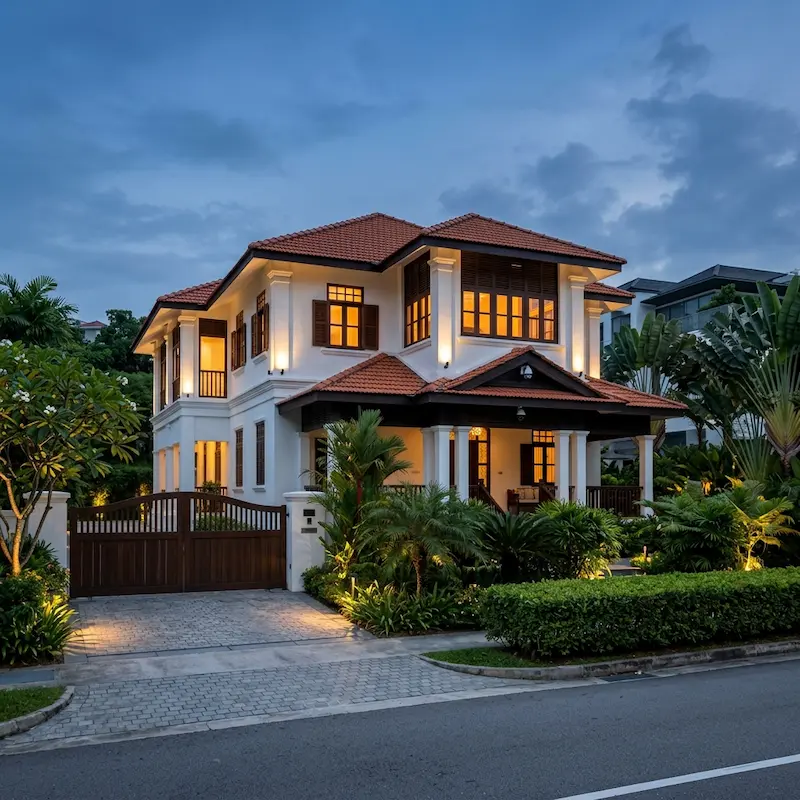
Who Residential Security Is For: and When to Engage Us
Home security decisions are personal. Here is an honest guide to when a professional installation makes sense: and when a simpler solution might be sufficient.
This Is For You If…
You own a landed property in Singapore: terrace, semi-detached, bungalow, or GCB: and want a professionally designed and installed security system. You are building or renovating and want conduit, cabling, and equipment positions planned before walls are closed: retrofitting later is significantly more disruptive and costly. You have an existing system that is more than five years old, no longer receiving app support, or was installed by a contractor who is no longer reachable for service. You have had a break-in, an attempted intrusion, or a security incident at or near your property. You travel frequently or have a second property that is unoccupied for extended periods: remote monitoring and app-based alarm verification are particularly valuable in this situation. You want a system that integrates across your whole home: cameras, alarm, intercom, and auto gate: rather than standalone devices that do not communicate with each other.
You May Not Need This Yet If…
You live in an HDB flat or condominium: common area security is managed by the estate, and unit-level needs are typically met by a single IP camera or smart doorbell rather than a full system. You are renting your home and do not have the landlord's permission to install fixed cabling: wireless cameras are a better starting point. Your primary concern is a single entry point: a standalone video door phone or smart lock addresses that without a full system design engagement.
Best Time to Start: Before Renovation
The single most cost-effective time to install or upgrade a home security system is during a renovation: before walls are plastered and ceilings are boarded. Conduit can be run to every camera, reader, and sensor position without visible trunking. If you have a renovation planned, contact us before your ID finalises the M&E schedule.
What to Prepare Before the Assessment
Property type and approximate size: number of floors, number of entry gates and doors. Whether you are currently renovating, recently renovated, or working with an existing completed home. Any existing security systems: camera brand, alarm panel, auto gate system: and their approximate age. Whether you have a helper, elderly resident, or frequent guest access that needs to be factored into the access design. Your primary concern: surveillance, intruder detection, remote access control, or all three.
Ready to Secure Your Home?
Tell us about your property. We will assess it and design a system that fits the way your household actually lives: without overengineering or overspending.
Licensed by the Police Force: Licence · Serving Singapore since 2006