Find the Right Security Solution for Your Property
Every property operates differently. The right system depends on your environment, your users, and how your site runs day to day.
In Short
Every Property Faces Different Security Challenges
A condominium, factory, dormitory, nursing home, school, and office may all use CCTV and access control: but the way those systems are designed and operated is very different. The camera positions, the access policies, the visitor management workflows, and the compliance obligations are shaped by the property type, not by the technology. Start with the environment you manage, or start with the challenge you want to solve, and we will guide you to the systems that fit.
Most people who contact Securevision do not begin with a technology question. They begin with an operational problem: too many manual processes at the gate, a visitor management gap that was exposed by an incident, a compliance report that could not be produced in time, or a new building that needs to be set up correctly from the start. We design systems around those problems: not around product catalogues.
We Start with Operations. Technology Comes After.
Many security companies start with products. We start with how a property actually works.
Before specifying any hardware, we want to understand four things: who uses the site and how, what the specific risks are that need to be managed, what information the operations team needs to have available at any moment, and what decisions the system needs to support when something goes wrong. The technology that answers those questions is the right technology for the property. The technology that does not answer them is overhead.
This approach means we sometimes recommend less than a client initially expected: a simpler system that addresses the actual priorities is more valuable than a comprehensive system that generates data nobody uses. It also means we sometimes recommend more: a property that has only installed cameras but has no access control or visitor management has addressed the recording requirement without addressing the prevention or accountability requirement.
Every Securevision project begins with a site walkthrough. Not a product presentation. The walkthrough is where we understand the property, identify the gaps, and begin to design a system that fits how the site actually operates.
The Four Questions
Who uses the site?
Residents, staff, visitors, contractors, vehicles: each requires a different access approach and generates different risk.
What risks matter most?
Not every property faces the same threats. The relevant risk profile shapes which systems are priorities and which are secondary.
What information needs to be available?
An occupancy headcount, a visitor log, a compliance report, a specific camera view: what does the operations team need to do their job?
What happens when something goes wrong?
The system's value is most apparent during an incident. The design should ensure that the right information is retrievable, the right people are alerted, and the right records exist.
Start with Your Property Type
Choose the environment you manage. We will guide you to the systems that fit your operational needs.
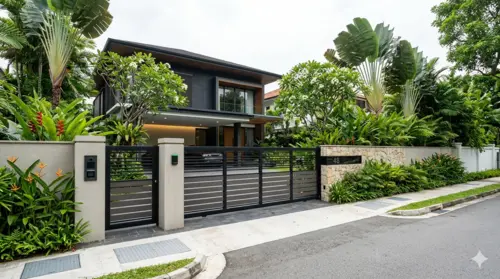
Residential
Bungalows, semi-detached, and terrace homes.
Most Popular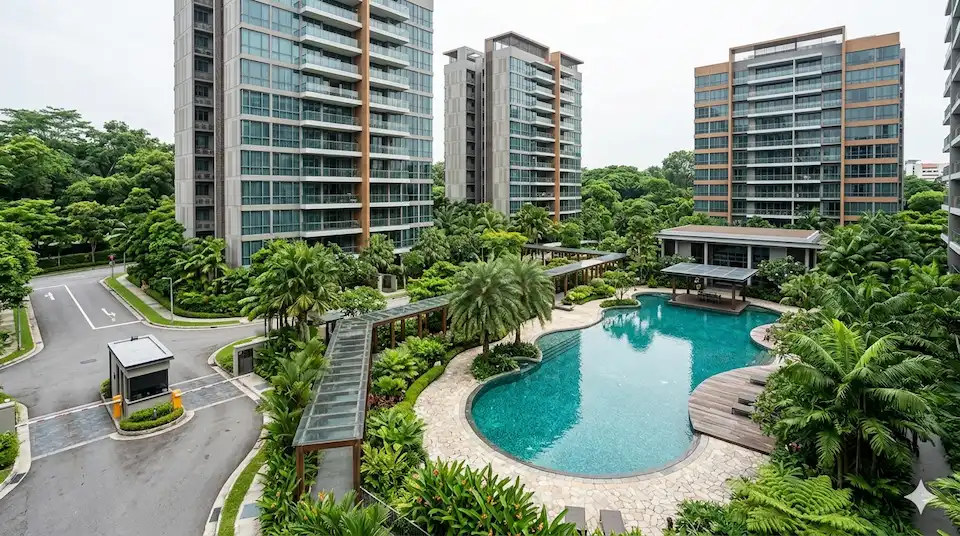
Condominiums
MCSTs, managing agents, and strata estates.
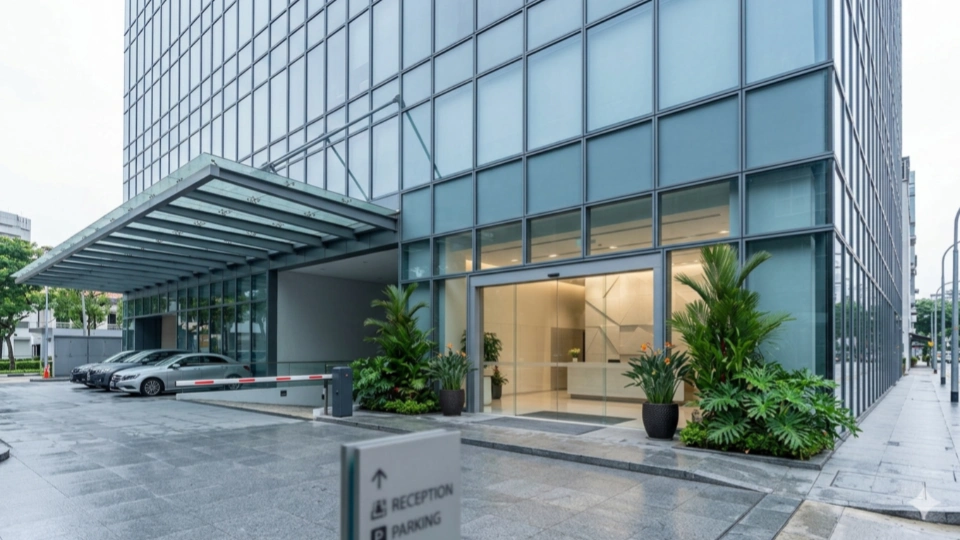
Commercial
Offices, hotels, retail shops, and commercial buildings.
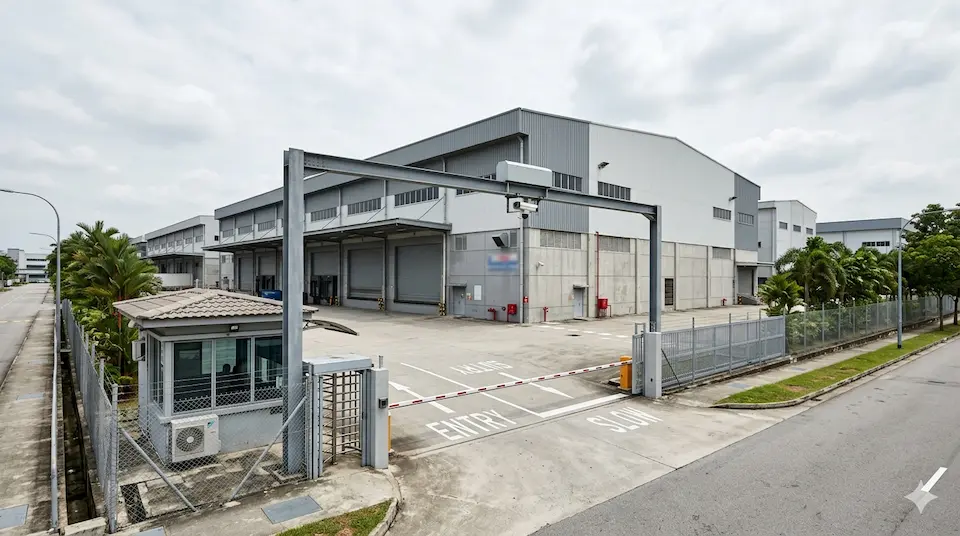
Industrial
Factories, warehouses, logistics hubs, and tech parks.
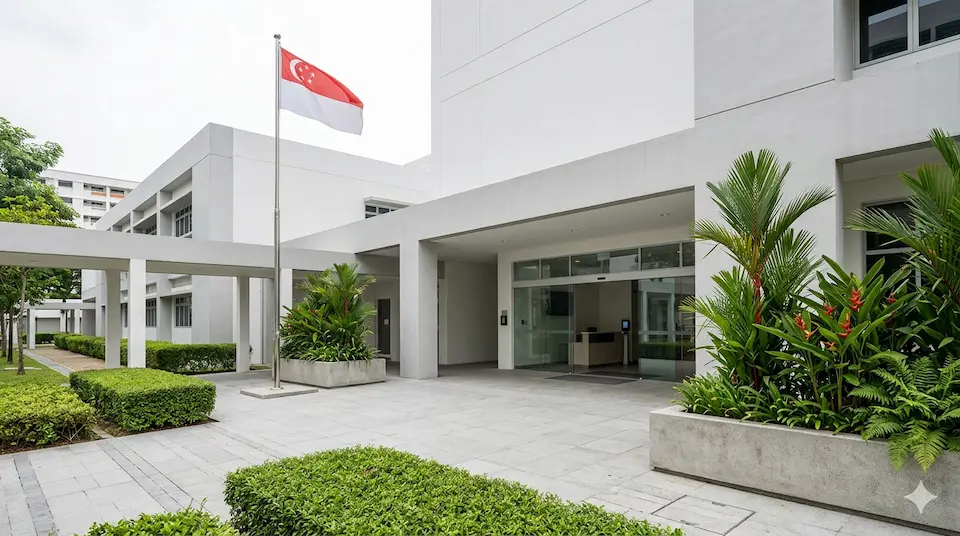
Institutions
Schools, government offices, churches, and civic facilities.
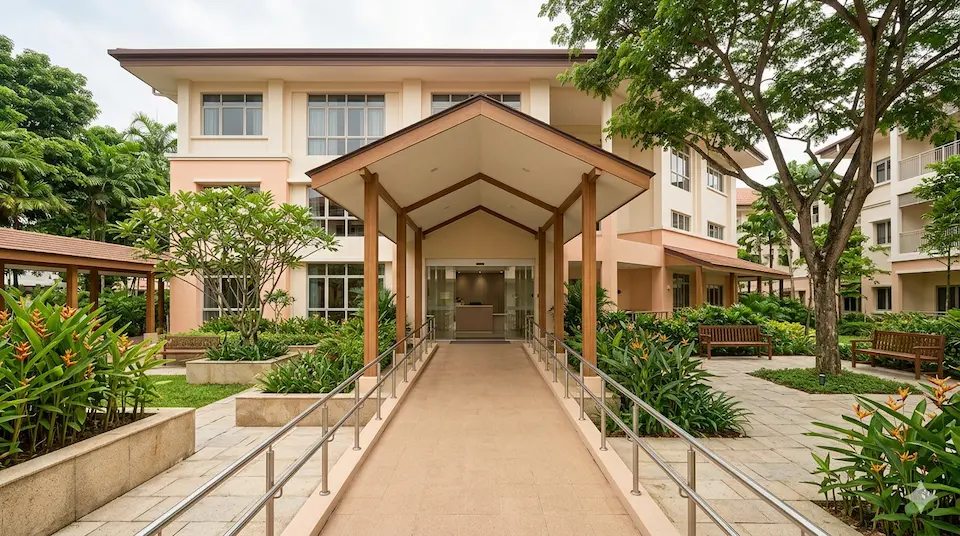
Healthcare
Nursing homes, day care centres, and specialist care facilities.
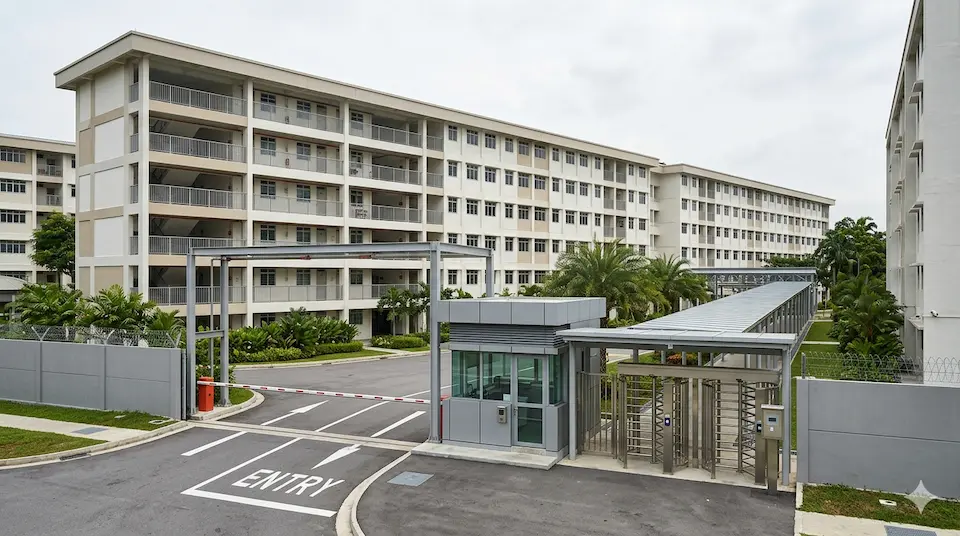
Managed Living
Worker dormitories, co-living apartments, and managed hostels.

Data Centres
Colocation, enterprise, and hyperscale data centre facilities.
Or Start with What You Want to Improve
If you already know the challenge, we will guide you to the right solution.
The Same Technology Solves Very Different Problems Depending on the Property
Property type determines the design objective: not just the hardware specification.
CCTV: Four Different Objectives
In a condominium, CCTV at the guardhouse and gate is primarily about resident safety and visitor accountability: who entered, when, and whether they were authorised. In a factory, the same camera with AI analytics is a safety compliance tool: detecting PPE violations and exclusion zone breaches on the production floor. In a worker dormitory, it is an occupancy accountability system: tracking movement across blocks and supporting MOM compliance reporting. In a school, it is a safeguarding tool: covering every entry and exit point to maintain a complete record of who is on campus. The hardware may look similar. The design, configuration, and purpose are entirely different in each environment.
Access Control: One Technology, Five Different Briefs
Access control in a condominium manages resident credentials, visitor passes, and contractor access at the guardhouse and facility gates. In an office, it enforces zone separation between public reception areas and staff floors. In an industrial estate, it separates estate-level infrastructure from tenant unit access: with the estate manager able to see all access events while each tenant manages only their own. In a healthcare facility, it enforces safe-zone boundaries and generates the access records that MOM inspection and incident investigation require. In a data centre, it is the compliance infrastructure for SOC 2 and ISO 27001 audits: the log that proves controlled access to every zone at every moment. The credential format, the management workflow, and the audit trail requirement are different in every case.
A Practitioner Observation
The most common design mistake we see: particularly in properties that have self-managed a security upgrade or used a non-specialist contractor: is hardware specified for a different environment. Commercial-grade cameras installed on an industrial site. Residential-grade access readers deployed on a high-turnover managed living property. A standard visitor logbook used for MOM compliance documentation. The technology exists in the building but was not designed for how the building actually operates. Getting the property type right at the design stage is not a detail: it is the entire brief.
Frequently Asked Questions
Questions we hear from property managers, facilities teams, and owners evaluating a security upgrade.
What is the difference between a security system and a security solution?
A security system is the technology: cameras, access readers, intercoms, and the software that connects them. A security solution is the design of those systems around the specific requirements of a property type: who uses the site, what access patterns exist, what risks matter most, and what compliance obligations apply. The same CCTV camera can be part of a condominium estate security solution, a factory safety compliance solution, or a dormitory occupancy accountability solution: the hardware may be similar, but the design objectives, configuration, and management workflow are completely different.
How do I know which security solution is right for my property?
Start with the property type: the environment you manage determines the access patterns, visitor types, compliance obligations, and operational requirements that shape the system design. If you already know the specific challenge you want to address, start with that instead. If you are not sure where to begin, a site assessment is the fastest route to a clear picture: we identify the priorities before recommending any systems.
Can existing security systems be upgraded rather than replaced?
Often yes. IP cameras in adequate condition, structured cabling, and managed network infrastructure can frequently be retained and integrated with new access control and management platforms. What typically needs replacing is legacy analogue CCTV, outdated DVR recorders, and access control systems that cannot produce searchable digital records. We assess existing infrastructure reuse potential during the site survey before agreeing any scope.
Does a property need all of these technologies, or can it start with one?
Most properties start with one or two priorities and expand over time. The most common starting point is CCTV and access control: which together provide a basic record of who is on-site and what is happening. Visitor management, vehicle access, intercom, and management platform integration are typically added in subsequent phases. We design every initial installation so that later additions connect without rework.
What happens during a site assessment?
A site assessment is a walkthrough of the property with the facilities team: typically 60 to 90 minutes for a standard commercial or residential site, longer for large industrial or managed living properties. We review existing security infrastructure, identify coverage gaps, understand the access patterns and visitor types, and discuss the operational priorities. The assessment is the information-gathering step that allows us to design a system that fits the property rather than a standard package. There is no obligation following an assessment.
Can Securevision manage security across multiple properties?
Yes. The VESTA platform supports multi-site management: access events, visitor logs, camera feeds, and system health across multiple properties are accessible from a single dashboard. For property managers, co-living operators, industrial estate owners, and institutional organisations managing several buildings, this means a single operations view rather than separate systems at each site.
How long does a typical security installation take?
It depends on the property type and scope. A standard residential home takes one day. A condominium estate with a gatehouse and multiple access points typically takes one to two weeks. A commercial office floor takes two to three days. A large industrial site or dormitory with extensive cabling work takes three to six weeks. We present a phased installation schedule as part of every proposal so the facilities team can plan around operational requirements.
Most People Begin with a Problem, Not a System
If you are not sure which solution fits the property, or if the challenge does not fit neatly into one of the categories above: book a site assessment. We will walk the site with you, identify the specific priorities, and design a system around those priorities before recommending any hardware. The assessment takes 60 to 90 minutes and carries no obligation.
Ready to Secure Your Property?
Tell us about your site. We will assess it and design a system that works as one.
Licensed by the Police Force: Licence · Serving Singapore since 2006