Automate Vehicle Access: Improve Flow, Reduce Delays
Vehicle entry and exit points often become bottlenecks. Manual control, slow verification, and inconsistent processes create delays and frustration: especially during peak hours.
Serving residential, commercial, and industrial sites across Singapore since 2006.
In Short
What Vehicle Access Automation Actually Solves
Vehicle access automation combines barriers, licence plate recognition (LPR), visitor vehicle workflows, and access rules to reduce congestion and improve consistency. For most condominiums and commercial properties, the objective is not simply opening a barrier faster. The objective is reducing queues, handling visitors reliably, managing deliveries without disrupting residents, and reducing the burden on security guards who are currently spending most of their shift on repetitive manual triggers.
The best outcomes come from designing the workflow before selecting hardware. A site with good lane logic and clear segmentation will outperform a site with expensive equipment and no process thinking behind it.
Vehicle Access Is Often Slower Than It Should Be
In many properties, vehicle entry still depends on guards manually triggering barriers, residents waiting for access, and inconsistent handling of different vehicle types.
During peak periods, this leads to congestion at entrances, delays for residents, and increased pressure on security personnel who are tied up with repetitive tasks.
The problem compounds at properties with multiple vehicle categories: resident cars, registered visitor vehicles, taxis, ride-hail pickups, and delivery trucks all require different handling at the same entry point. Without a system that can distinguish between them automatically, the guard is forced to make a judgement call on every vehicle that arrives. That reliance on individual guard decisions produces inconsistent outcomes and creates the conditions for both resident complaints and genuine security gaps.
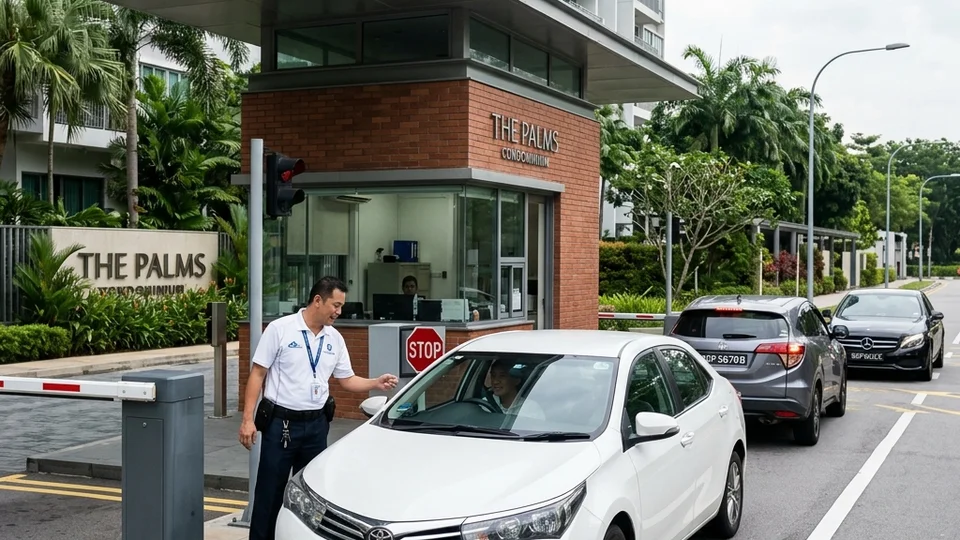
Operational Friction
Most properties do not receive complaints because the barrier opens too slowly. They receive complaints because vehicles spend too long waiting for a decision before the barrier opens at all. Manual verification, intercom delays, and inconsistent guard judgement are the real bottlenecks.
Common Issues at Vehicle Access Points
The operational realities of non-automated entry points: recognised across condominiums, commercial buildings, and industrial sites in Singapore.
Manual Operation
Guards manually opening and closing barriers for every vehicle reduces total site throughput and ties up personnel during the periods they are needed most for patrol duties.
Peak Hour Congestion
Morning and evening traffic peaks create bottlenecks that build quickly. Once a queue reaches the public road, it becomes a safety issue and draws complaints from neighbours and authorities.
Inconsistent Handling
Different rules for residents, registered visitors, taxis, and delivery vehicles: handled inconsistently by different guards on different shifts: lead to confusion, delays, and resident frustration.
Verification Delays
Vehicles waiting at the gantry while a guard calls a resident via intercom or phone to confirm a visitor is one of the most common and preventable causes of queue build-up at estate entrances.
Designing Vehicle Access for Smooth, Consistent Flow
Automation is not just about opening gates faster. It involves identifying traffic patterns, separating different vehicle types, and ensuring consistent, predictable access for all property users.
Flow Audit
Identifying peak usage patterns and mapping vehicle types against entry point capacity before specifying any hardware. Lane configuration and workflow design happen here, not after installation.
Segmentation
Resident versus visitor versus delivery lane planning: designing the logic for each vehicle category entering and exiting the site so that no vehicle type disrupts another.
Logic Design
Automating access rules based on vehicle type, registration status, and time window. Every scenario - including exceptions: is mapped before the system goes live.
Manual Bypass
Ensuring fail-safe redundancy so site operations continue without disruption if any automated component is offline. Guard override capability is tested as part of commissioning.
Optimising Vehicle Movement through Automation
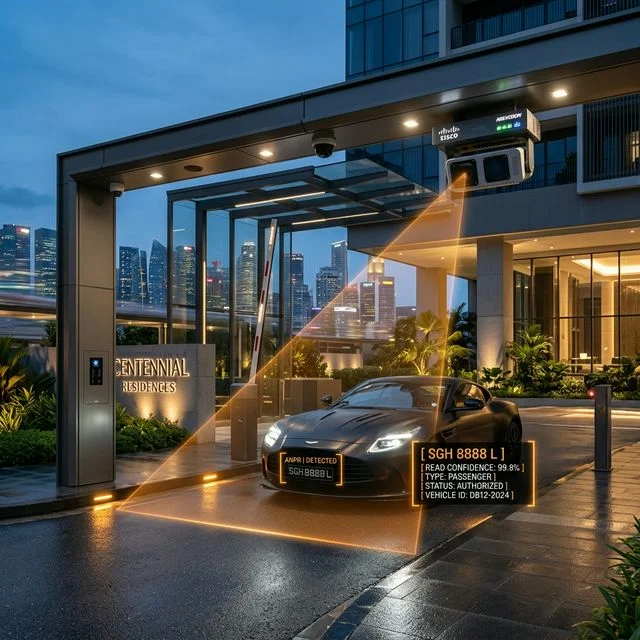
Automatic Barrier & Gate Systems
Reliable, fast entry and exit using barriers designed for high-frequency site usage. Industrial-grade duty cycles are matched to the volume and vehicle weight profile of each site: a condominium entrance and a logistics yard have different requirements, and we specify accordingly.
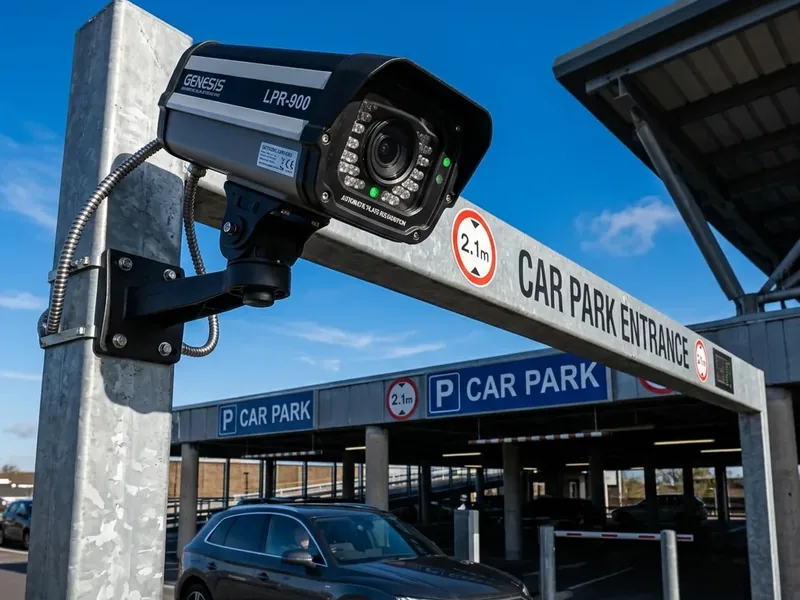
Licence Plate Recognition (LPR)
Enabling seamless access for registered residents without stopping. The system reads the plate, matches it against the whitelist, and triggers the barrier automatically: no card tap, no intercom, no guard decision required. Our platform manages plate registrations and logs all entries for management review.
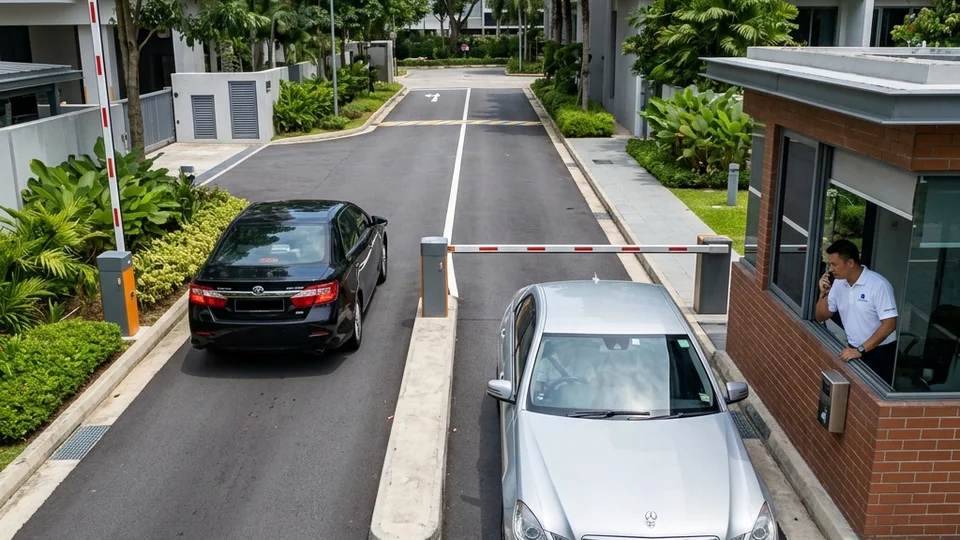
Smart Vehicle Segmentation
Handling every vehicle differently based on its role. Residents, registered visitors, taxis, and delivery vehicles each follow a separate workflow with consistent rules enforced automatically. A resident entering daily should not experience the same process as a first-time contractor.

Visitor Vehicle Handling
Pre-registered visitor vehicles gain LPR entry automatically. Unregistered visitors follow a streamlined verification workflow at the intercom: reducing guard decision time without removing the oversight that estate management requires.
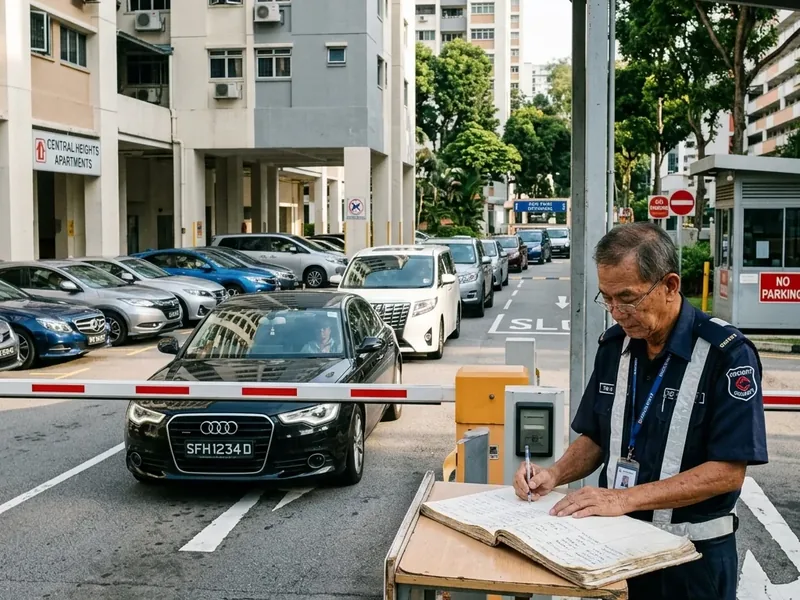
Peak Hour Management
The objective during peak hours is preventing a queue from reaching the public road, not just processing vehicles faster. Lane balancing, priority logic, and congestion alert triggers help estates manage the brief but intense windows when most vehicles arrive or depart simultaneously.
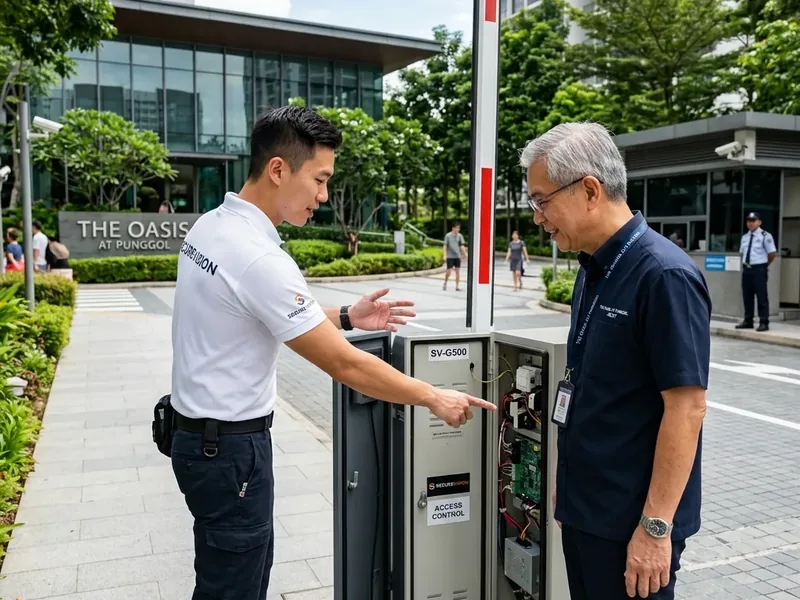
Reduced Manual Intervention
When the system handles routine vehicle movements automatically, guards shift from repetitive barrier triggers to higher-value duties: patrol, observation, and exception handling. This improves both security coverage and guard morale over time.
Common Mistakes We See in Vehicle Access Projects
After working on vehicle access projects across condominiums, commercial developments, and industrial sites, several issues appear repeatedly.
Replacing the Barrier When the Real Problem Is Workflow
Many sites assume the barrier is causing delays and budget for a new one. In most cases, the barrier is functioning correctly. The delay is visitor verification, resident registration, delivery handling, or poor lane design. Replacing hardware without addressing the workflow produces an expensive barrier with the same queue in front of it.
Treating Residents and Visitors the Same
Different vehicle types require different handling. A resident entering daily should move through quickly and without friction. A first-time visitor requires verification. A contractor needs to be logged. Applying a single workflow to all vehicle types creates unnecessary delays for the majority in order to handle the minority.
Optimising Entry While Ignoring Exit
We regularly see sites that have improved their entry lanes only to find that exit lanes become the new bottleneck. Both directions need to be mapped during the flow audit. Exit congestion during peak departure is just as damaging to resident experience as entry congestion during arrivals.
Automating Without Planning for Exceptions
Every site has taxis, deliveries, contractors, and unexpected arrivals who fall outside the standard LPR whitelist. The exception-handling process is often more important than the automated process itself. If exception handling is slow or unclear, it creates a separate queue that undermines the entire system.
A Practitioner Observation
The most common request we receive is: "our gantry is too slow, we need a faster barrier." When we audit the site, we almost always find that the barrier is not the issue. A barrier controls vehicles. It does not solve workflow problems on its own. The speed of the barrier opening is rarely what residents are complaining about: it is the time spent waiting for permission to open.
Where Most Properties Begin
Vehicle access automation does not happen in a single step. Most properties build capability in stages based on their current situation and operational priorities.
Condominiums
Most condominium estates begin with barrier replacement or LPR addition at the main entrance, combined with resident plate registration.
Visitor vehicle workflows and delivery management are typically introduced in the next stage.
Platform-level integration: connecting vehicle access with intercom and visitor management into a unified log: tends to follow once the basic automation is stable and the management committee has seen the results.
Commercial Buildings
Commercial sites typically begin with tenant vehicle access and visitor parking workflow, addressing the most visible daily friction before introducing broader automation.
Barrier integration and LPR for regular tenant vehicles are established first.
Delivery and contractor management, and platform-level reporting for building managers, are introduced once the primary tenant experience is resolved.
Industrial Sites
Industrial and logistics sites usually begin with heavy vehicle control and delivery workflow: the operational priority is throughput and accurate logging of what enters and exits the site.
LPR for registered fleet vehicles is established early.
Broader analytics and integration with warehouse management or security operations platforms are introduced as the operation matures.
Can Existing Vehicle Access Systems Be Reused?
In many projects, the existing barrier does not need to be replaced. The improvement comes from what surrounds it: LPR cameras, visitor vehicle workflows, access rules, and management software: rather than the barrier mechanism itself.
Before recommending replacement, we assess the barrier's condition, duty cycle rating, spare parts availability, and integration capability with modern LPR and access control systems. A barrier that opens reliably and handles the site's vehicle volume is an asset. One that is reaching its duty cycle limit or cannot integrate with current systems is a liability: and replacing it early avoids a more disruptive failure later.
Many estates are surprised to find that a relatively modest upgrade: adding LPR and improving visitor workflows: delivers the improvement they were looking for without the cost and disruption of full barrier replacement.
What We Assess Before Recommending Replacement
- Barrier condition: Physical wear, motor performance, and safety sensor function.
- Duty cycle: Whether the barrier is rated for the daily volume it is handling.
- Spare parts: Availability of replacement components for the existing model.
- Integration: Whether the barrier controller can accept signals from modern LPR and access control systems.
If all four are satisfactory, we design around the existing barrier. If any are a concern, we present the case for replacement honestly: along with what that replacement will and will not solve.
What Affects the Cost of Vehicle Access Automation?
No two sites are the same. These are the factors that most influence project scope and investment.
Number of Lanes
Each lane requires its own barrier, LPR camera, and associated cabling. A single-lane entrance and a three-lane entrance serving the same estate are very different projects.
Existing Infrastructure
Whether barriers, cabling, and conduit are already in place significantly affects installation cost. Sites with good existing infrastructure can often be upgraded rather than rebuilt from scratch.
LPR Specification
Camera resolution, wide dynamic range, and mounting position all affect recognition accuracy in Singapore's outdoor conditions. Specifying correctly at the outset avoids performance issues that require revisiting later.
Visitor & Delivery Integration
A simple resident-only LPR deployment is straightforward. Adding visitor pre-registration, delivery workflows, and contractor access adds configuration time but delivers a substantially more capable system.
Intercom Integration
Connecting vehicle access with the estate's intercom system allows guards to handle exceptions from the guardhouse terminal without leaving their post. The integration adds value but also adds to installation scope.
Traffic Volume
High-volume sites: large condominiums, commercial car parks, industrial logistics hubs: require higher-duty-cycle equipment and more rigorous load testing during commissioning than lower-volume residential entrances.
A Practitioner Observation
A small condominium with one entrance and resident-only LPR, and a large mixed-use development with six lanes and full visitor management integration, may use similar underlying technologies. The difference in project cost is almost entirely in lane count, infrastructure condition, and the complexity of the workflows we need to configure. We present this honestly during the assessment so that scope and budget are aligned before any work begins.
What Improves with Automated Vehicle Access
Faster Entry and Exit
Registered residents move through without stopping. The time spent at the gantry drops from a manual verification cycle to the time it takes the barrier to open: typically under three seconds for an LPR-recognised plate.
Reduced Congestion
With consistent handling for every vehicle type, queues build more slowly and clear more quickly. Sites that previously had regular spillback onto public roads during peak hours typically see this resolved within the first weeks of operation.
Improved Resident Experience
Daily friction at the entrance is one of the most commented-on quality-of-life issues in resident feedback at condominiums. Consistent, fast access removes a recurring source of complaint.
Lower Guard Workload
Guards freed from constant barrier triggers have more capacity for patrol, observation, and genuine exception handling. The shift in role tends to improve both security quality and guard attentiveness over time.
Optimised Flow for Diverse Property Types
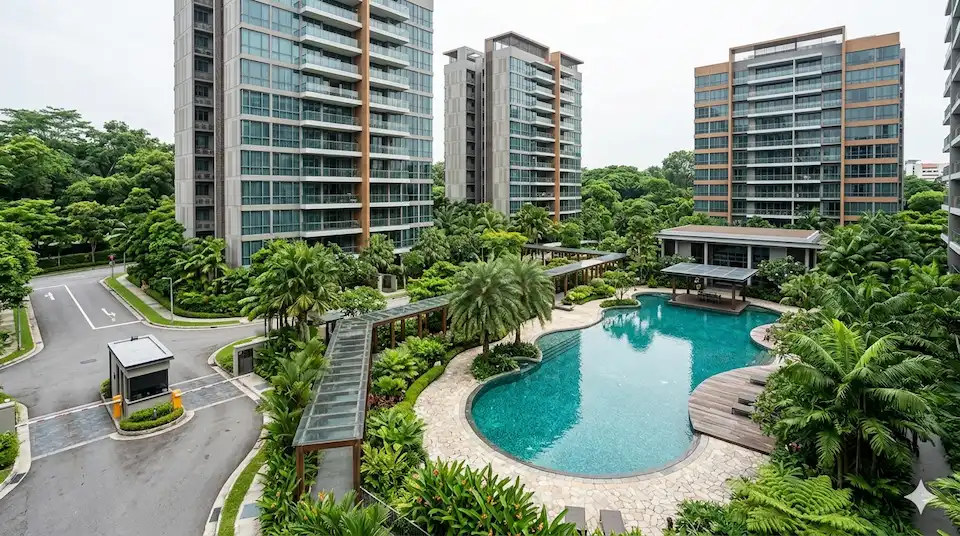
Condominiums
Main entrances, residential carparks, and drop-off points where residents expect consistent, LPR-enabled access without daily friction at the gantry.
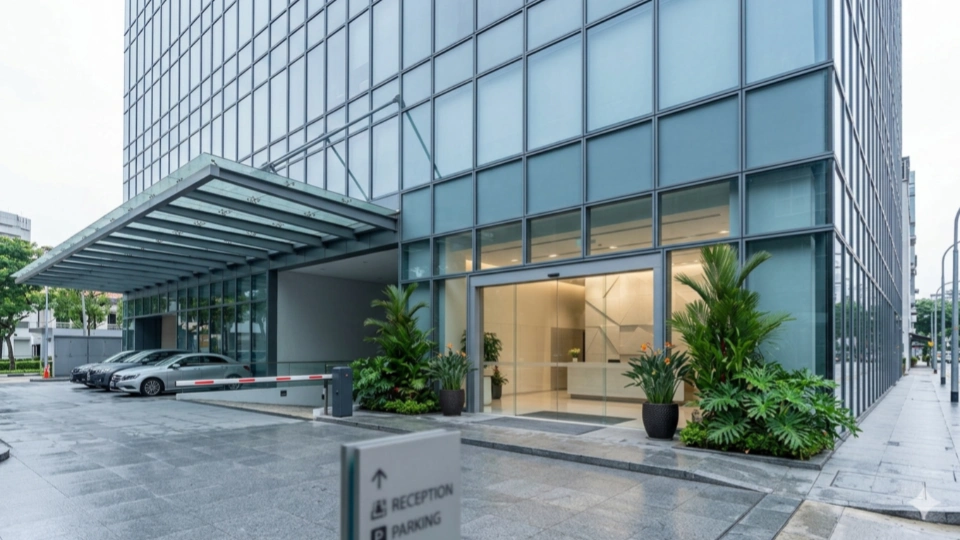
Commercial Buildings
Office and retail car park access requiring high-throughput logic and clear separation between tenant and visitor lanes: especially during the morning and evening peaks.
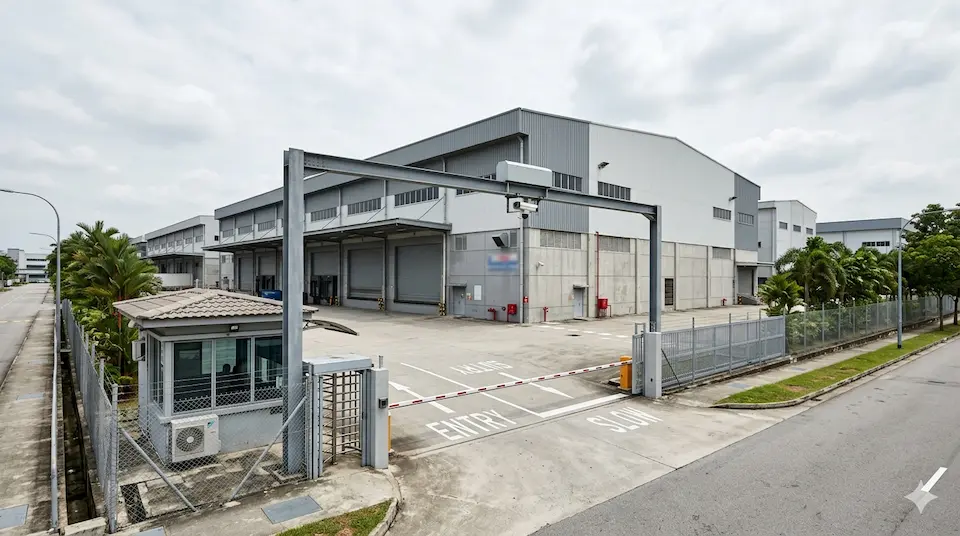
Industrial Sites
Heavy vehicle and delivery flow management, where LPR, automated barrier cycles, and accurate entry logging are operationally critical for logistics sites and tech parks.
Connected Security Infrastructure
Automated vehicle access works best when synchronised with your wider security strategy.
Visitor Management
Ensuring guest and visitor vehicles are verified and logged without stopping the rest of the site at the gantry. Pre-registration removes the manual verification step for expected arrivals.
CCTV Visibility
Real-time monitoring of vehicle movement and automatic recording of all gantry events for audit and incident review. Plate images are captured and stored alongside access logs.
Intercom Systems
Swift handling of exceptions and manual verification for unscheduled arrivals that fall outside the LPR whitelist. Guard-to-resident communication without leaving the guardhouse.
Frequently Asked Questions
Questions we hear from property managers, MCSTs, and facilities teams evaluating vehicle access automation.
How accurate is LPR in Singapore's outdoor conditions: rain, glare, wet plates?
Our LPR system achieves high recognition accuracy in Singapore's outdoor conditions. We use cameras with wide dynamic range (WDR) to handle direct sunlight and wet surfaces, and the recognition algorithm is trained on regional plate formats. We test recognition accuracy during commissioning under actual site conditions: not laboratory conditions: before handover.
What happens when a resident gets a new car or changes their plate?
Your management team can update registered plates from the management dashboard: no need to call us. Multiple plates can be registered per unit, and old plates can be removed or deactivated instantly. For estates with a managing agent, we can configure delegated plate management so the MA office handles routine updates independently.
What happens if the LPR system fails: will the barrier be stuck closed?
Every deployment includes a manual backup mode: guards can operate barriers from the guardhouse terminal if the LPR system is offline. The management platform monitors system health remotely and alerts our team when recognition rates drop below threshold, typically before a site has noticed any issue. We do not deploy single-point-of-failure configurations at critical entry points.
Can the system handle heavy delivery vehicles as well as passenger cars?
Yes. We configure separate logic for different vehicle categories: residential plates get automatic LPR entry, known delivery fleet vehicles get pre-registered LPR entry, and unknown delivery vehicles trigger a guard verification flow at the intercom. Heavy vehicles and oversized loads can have a dedicated lane and logic if your site requires it. The segmentation is designed during the flow audit phase of the installation.
Can the system work with our existing barriers and infrastructure, or does everything need to be replaced?
In many cases the existing barrier mechanism can be retained: the automation layer sits on top of the barrier controller rather than replacing it. Whether the existing barrier is suitable depends on its condition, duty cycle rating, and whether the controller supports integration with the LPR and access management system. We assess barrier reuse potential during the site survey before agreeing any scope. Where replacement is required, we present the honest case for it rather than specifying new hardware by default.
Ready to Clear the Queue at Your Entry Points?
Tell us about your site. We will audit your vehicle flow, map your peak hour patterns, and design an automation system that keeps traffic moving.
Licensed by the Police Force: Licence · Serving Singapore since 2006