- Security system companies in Singapore are required to be licensed under the Private Security Industry Act (PSIA); this covers installers, maintainers, designers and monitoring providers, not just guard companies.
- The licensing requirement for Security Service Providers came into effect on 27 April 2009.
- Before licensing, inconsistent standards meant some systems worked well and others generated persistent false alarms or failed when needed.
- A licence is a minimum requirement, not a quality guarantee; experience, ongoing training and professionalism still matter significantly.
- Modern security systems require knowledge across alarms, CCTV, networking, monitoring and mobile technologies; the skill requirement has grown substantially.
- Property owners can verify a contractor's licence through the Singapore Police Force licensing portal before engaging them.
There Was a Time When Almost Anyone Could Install an Alarm System

When I first entered the security industry in the late 1980s, things were very different. Alarm systems were relatively simple; a panel, a keypad, a few detectors, a siren, and a telephone line to a monitoring centre. The technical barrier to entry was low, and so were the regulatory requirements.
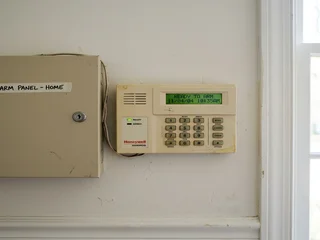
As the industry grew, more companies entered the market. Some were competent and professional. Others had very little experience and even less understanding of what a well-designed alarm system actually required. The result was inconsistent quality; some systems performed reliably for years, others generated endless false alarms or failed at the worst possible moment.
That inconsistency had consequences that went beyond the property owner. As I described in the earlier articles on false alarms, every unnecessary alarm activation consumes monitoring centre resources, police manpower, and; perhaps most importantly; the trust of everyone who depends on the system. When systems across the industry are unreliable, the damage is collective.
KEY POINT
The security industry's credibility depends on individual installations performing reliably. One poorly designed system that false-alarms repeatedly does not just frustrate the homeowner; it affects how alarm activations are treated across the board.
The Introduction of Licensing
On 27 April 2009, licensing requirements for Security Service Providers came into effect under Singapore's Private Security Industry Act; the PSIA. Many people assume this legislation only covers security guard companies. The scope is considerably broader than that.
The PSIA covers businesses involved in installing, maintaining, repairing and designing security systems, as well as those providing alarm monitoring services and security consultancy. In other words, security technology became formally recognised as a professional service requiring accountability, competence, and regulatory oversight, not just a trade that anyone with a screwdriver and a panel could enter.
The licensing body is the Singapore Police Force's Licensing Division; PLRD. Companies must meet defined requirements to obtain and maintain their licence, and the licence must be renewed periodically. Operating as a security service provider without a valid licence is an offence under the Act.
SINGAPORE CONTEXT
The PSIA licensing requirement covers the full scope of security system work, not just installation. A company that only maintains or monitors alarm systems is equally required to hold a valid licence. If a contractor cannot show you their PLRD licence, that is a significant red flag.
A Licence Is the Starting Point, Not the Finish Line
This is the point I always make when property owners ask about licensing, and it is the most important one. A licence confirms that a company has met the minimum requirements to operate legally. It does not guarantee the quality of their work, the depth of their experience, or the reliability of what they install.
Experience, training and professionalism still matter enormously. The questions worth asking go well beyond whether the licence exists. How long has the company been in business? Do they provide ongoing maintenance support after installation? Are they familiar with current technologies? Can they support the system five years from now? Do they understand the monitoring and response procedures that sit behind the alarm system they are installing?
A security system may appear to work perfectly on handover day. The real test comes months or years later when an actual incident occurs, or when something fails and the response to that failure determines whether the property was protected or not.
PLANNING POINT
When evaluating security contractors, ask to see their PLRD licence number and verify it through the Singapore Police Force licensing portal. Then look beyond the licence; ask about their track record, their maintenance programme, and whether they can support the specific technologies they are proposing to install.
What a Properly Designed System Actually Requires
One of the biggest misconceptions about alarm installation is that it is simply a matter of connecting equipment. Buy detectors, install a panel, connect a siren; job done. That view underestimates what a reliable alarm system actually demands from the people designing and installing it.
A proper installation requires understanding detection technology and which sensor suits which environment, alarm zoning and how a property should be divided into logical zones, communication paths and what happens if the primary path fails, monitoring procedures and how the system feeds into a monitoring centre's response workflow, and the environmental conditions of the specific site; sun angles, airflow, pet presence, renovation history. All of these decisions affect whether the system performs reliably in practice or generates problems from day one.
The equipment matters. The expertise of the person designing and installing it matters equally, and in some cases more.
KEY POINT
A detector installed in the wrong location can generate years of false alarms regardless of how good the hardware is. An incorrectly programmed panel is difficult to use and easy to misuse. A system that has not been maintained will degrade silently until it fails. These are not equipment problems; they are expertise problems.
How Technology Has Changed the Skill Requirement
The scope of what a security system installer needs to know has expanded substantially since the early days. When I started in this industry, a burglar alarm was largely a standalone system. An experienced technician with solid electrical knowledge could design and install a reliable system using well-understood principles.
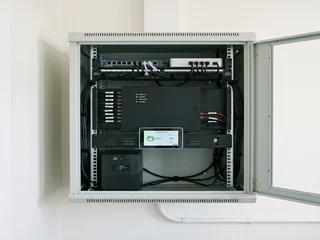
Today, a typical installation may involve mobile apps and cloud management platforms, CCTV integration and video verification, IP networking and wireless communication protocols, access control integration, and remote diagnostics. The modern security installer must understand networking, software, communications infrastructure, and how these systems interact, not just the alarm hardware itself.
One transition that illustrated this clearly for me was the shift from telephone line monitoring to IP-based monitoring in the mid-2000s. The alarm hardware was essentially the same. But the communication layer changed completely, from a dedicated analogue line that either worked or did not, to an IP connection with its own failure modes, firewall considerations, and backup requirements. Installers who had not kept up with that change were suddenly installing systems that could not communicate reliably with their monitoring centres.
KEY POINT
The technology in security systems continues to evolve. A company that was competent five years ago may not have kept pace with current platforms and communication standards. Ongoing training is not optional in this industry; it is what separates a reliable installer from one who is behind the curve.
What This Means in Practice for Property Owners
If you are planning to install or upgrade a security system, the licensing requirement is your first filter, not your only one. Check that the company you are hiring holds a valid PLRD licence. This is a straightforward verification through the Singapore Police Force licensing portal and takes a few minutes. Any legitimate security company should be able to provide their licence number without hesitation.
Beyond the licence, look for signs of genuine competence and staying power. A company that has been operating for many years, maintains the systems it installs, and can explain clearly why they are recommending specific equipment for your specific site is demonstrably different from one that is simply selling a package. Price matters, but the cheapest installation is rarely the most reliable one, and a system that fails or false-alarms repeatedly costs far more in time, frustration, and diminished security than the initial saving.
The goal is not to install equipment. The goal is to create a system that performs reliably when something actually happens; because that is the only moment it matters.
PLANNING POINT
Ask any security contractor for their PLRD licence number before signing anything. A legitimate company will provide it immediately. One that hesitates or cannot produce it is operating outside the requirements of the PSIA, and that tells you everything you need to know about how seriously they take professional standards.
Why We Continue to Learn
One thing I have always valued about this industry is that it does not stand still. Over more than three decades, I have watched alarm technology evolve from analogue panels and telephone line monitoring through to IP-based systems, wireless platforms, cloud management, and integrated video verification. Each transition brought new capabilities, and new things to learn.
The responsibility, however, has not changed. Protect people and property. Do it reliably. Do it professionally. That is what licensing was designed to enforce as a minimum standard, and what genuine experience and commitment to the craft deliver beyond that minimum.
Securevision Verdict
The introduction of licensing raised the floor for the Singapore security industry. It recognised that alarm systems are professional services, not commodity products, that the expertise behind the installation matters as much as the equipment being installed.
After more than three decades in this industry, I have found that most security failures are not caused by faulty equipment. They are caused by design mistakes, installation shortcuts, or maintenance that was never done. Technology continues to evolve. The principles do not. Competence matters. Professionalism matters. And when it comes to protecting people and property, experience still matters most of all.
In Short
The licensing requirement for security system installers in Singapore exists because poorly designed and poorly installed security systems cause real harm; false alarms that overwhelm monitoring centres, detection gaps that leave properties vulnerable, and communication failures that mean a genuine emergency goes unresponded. The licence is a baseline, not a guarantee of quality. But working with a licensed installer is the minimum standard that protects property owners and ensures that the people installing the system have been assessed against a professional threshold. It matters.

Frequently asked questions
Why do security system installers need to be licensed in Singapore?
Singapore requires security system installers to be licensed under the Police Licensing and Regulatory Department (PLRD) to ensure that the people designing and installing security systems meet a minimum standard of competence. The licensing requirement protects property owners from poorly designed systems, ensures accountability, and maintains professional standards across the industry.
What is the PLRD licence for security system installers?
The PLRD (Police Licensing and Regulatory Department) licence authorises a company or individual to provide security system services in Singapore. The licence is issued by the Singapore Police Force and requires applicants to demonstrate relevant qualifications, experience, and compliance with regulatory requirements. Different licence classes cover different types of security system work.
How do I check if a security system installer is licensed in Singapore?
You can verify an installer's licence through the Singapore Police Force's licensing portal or by asking the installer to produce their licence documentation before engaging them. A licensed company should be able to show their licence number and the scope of work covered by the licence. Working with an unlicensed installer is an offence and may affect your insurance coverage.
What happens if I use an unlicensed security system installer?
Using an unlicensed installer for security system work in Singapore is an offence. Beyond the legal risk, there is a practical risk: an unlicensed installer has not been assessed against any professional standard, and work that does not meet regulatory requirements may need to be redone at your expense. Your insurance policy may also be affected if a claim arises from a system installed by an unlicensed contractor.
Is a licence enough to guarantee a good installation?
A licence is a necessary baseline but not a guarantee of quality. It confirms that the installer has met the minimum regulatory requirement, but it does not assess the quality of their design process, their attention to detail, or their long-term service capability. Choosing an installer should also involve assessing their experience with similar properties, their approach to system design, and the quality of their ongoing support and maintenance offering.
What qualifications should a security system engineer have in Singapore?
Beyond the PLRD licence, look for engineers with relevant technical training in the specific systems they are installing; alarm systems, CCTV, access control, or integrated platforms. Manufacturer certification for the brands they install is a useful indicator of technical proficiency. Experience with similar property types and scale of installation is also relevant.
What has changed in security system technology that affects licensing requirements?
Modern security systems are increasingly network-dependent; IP cameras, cloud-connected alarm panels, and integrated platforms require engineers to understand network configuration, cybersecurity principles, and software-based management tools in addition to traditional electrical and detection system knowledge. The skill requirement has broadened significantly, and installers who have not kept pace with this evolution may produce systems that perform poorly even if they are technically licensed.
Who is responsible if a security system fails to work correctly?
The licensed installer who designed and installed the system bears professional responsibility for the quality of the installation. This includes correct detector placement, appropriate system configuration, compliance with manufacturer specifications, and handover documentation. Property owners should ensure they receive a clear handover including zone maps, user manuals, and contact information for ongoing support.
What should I receive when a security system installation is completed?
At handover you should receive: a zone map showing which detector is on which zone; the user manual for the panel and any keypads or apps; confirmation that the monitoring centre connection has been tested and is active; a walk-test result confirming each detector has been verified; the installer's contact details for fault reporting; and details of the recommended maintenance schedule.
How often should a licensed installer service my security system?
Annual professional servicing is the standard recommendation for residential security systems in Singapore. Commercial or high-security installations may require more frequent servicing. A service visit should include testing all detectors, checking backup battery condition, verifying communication path integrity, and inspecting external siren and strobe condition. Request a written service report after each visit.